


Unlocking the Benefits of Stretching with a Physical Therapist for Optimal Health
Stretching is often seen as a simple part of exercise routines or a way to warm up before physical activity. Yet, many people overlook the powerful benefits of getting stretched by a physical therapist. For older adults and members of health clubs, professional stretching can be a key to improving mobility, reducing pain, and enhancing overall wellness. This post explores why working with a physical therapist to stretch for wellness offers advantages that go beyond what you can achieve on your own.
Why Stretching Matters More as We Age
As we grow older, muscles and joints naturally lose flexibility. This can lead to stiffness, discomfort, and a higher risk of injury. Stretching helps maintain and improve flexibility, but doing it incorrectly or without guidance may not provide the full benefits. Physical therapy offers a tailored approach to stretch for wellness that addresses individual needs and limitations.
Older adults often face challenges such as arthritis, muscle tightness, or previous injuries. A physical therapist understands these conditions and can design stretches that safely relieve tight muscles and improve joint function. This personalized care helps maintain independence and quality of life.
How Physical Therapy Enhances Stretching Benefits
Physical therapists are trained to assess your body’s specific needs. They identify areas of tightness, weakness, or imbalance and use targeted stretching techniques to address these issues. Here are some ways physical therapy improves the stretching experience:
Customized Stretching Plans
Physical therapists create plans based on your health status, mobility, and goals. This ensures you stretch the right muscles in the right way.
Hands-On Assistance
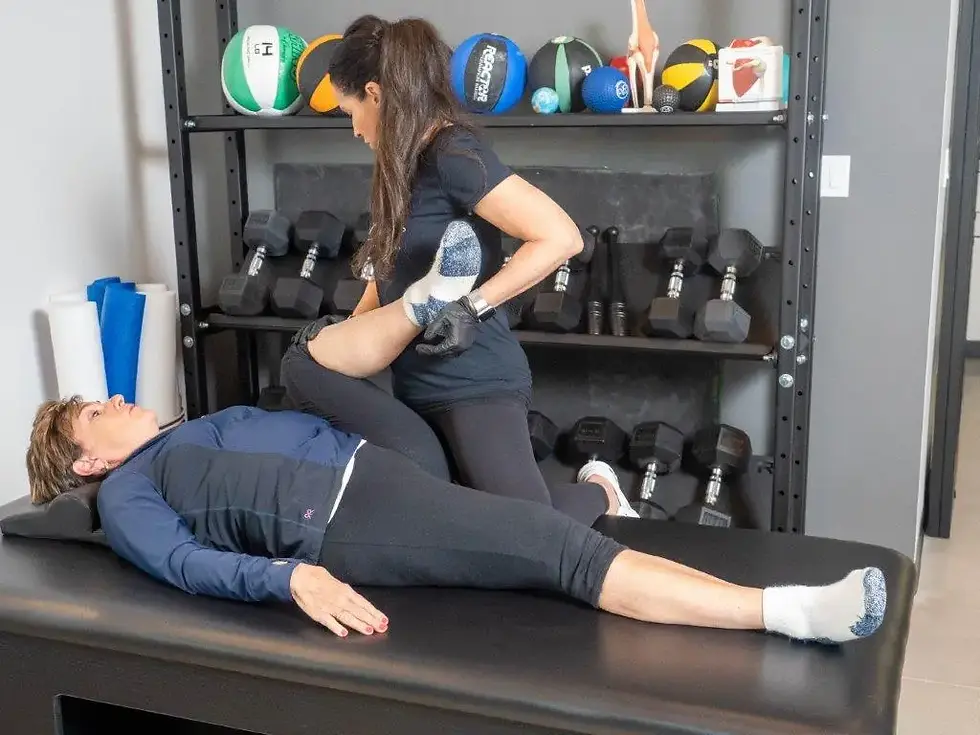
Therapists use manual techniques to gently stretch muscles beyond what you can do alone. This helps relieve tight muscles more effectively.
Improved Technique and Safety
Proper form is crucial to avoid injury. Physical therapists guide you through each stretch, correcting posture and movement.
Integration with Other Therapies
Stretching is combined with strengthening exercises, balance training, and pain management for comprehensive care.
Specific Benefits of Getting Stretched by a Physical Therapist
1. Increased Flexibility and Range of Motion
Regular sessions with a physical therapist can significantly improve your flexibility. This makes everyday activities like bending, reaching, and walking easier and more comfortable. Improved range of motion also reduces the risk of falls and injuries.
2. Pain Relief and Muscle Relaxation
Many people experience chronic muscle tightness that causes discomfort. Physical therapy stretching targets these tight areas, helping to relieve tight muscles and reduce pain. This can be especially helpful for conditions like lower back pain, neck stiffness, or hip discomfort.
3. Enhanced Circulation and Healing
Stretching with professional guidance promotes better blood flow to muscles and joints. This supports healing and reduces inflammation. For those recovering from surgery or injury, physical therapy stretching can speed up recovery.
4. Better Posture and Balance
Tight muscles often contribute to poor posture and balance problems. Physical therapists address these issues by stretching muscles that pull the body out of alignment. This leads to improved posture, which reduces strain on the spine and joints.
5. Support for Chronic Conditions
People with arthritis, fibromyalgia, or neurological conditions benefit from physical therapy stretching. Therapists adapt stretches to manage symptoms and maintain mobility without causing pain.
What to Expect During a Physical Therapy Stretching Session
When you visit a physical therapist for stretching, the process usually begins with an assessment. The therapist evaluates your flexibility, muscle tightness, and movement patterns. Based on this, they develop a personalized plan.
During the session, the therapist may:
Use hands-on techniques to gently stretch muscles and joints
Guide you through active stretches you perform yourself
Teach you safe stretching exercises to do at home
Monitor your response and adjust the plan as needed
Sessions typically last 30 to 60 minutes and can be scheduled weekly or as recommended.
Tips for Maximizing the Benefits of Stretching with a Physical Therapist
Communicate openly about any pain or discomfort during stretches.
Follow home exercise instructions to maintain progress between sessions.
Wear comfortable clothing that allows easy movement.
Stay consistent with appointments to see lasting improvements.
Combine stretching with gentle aerobic exercise like walking or swimming for overall health.
Stretch for Wellness Beyond the Therapy Room
Physical therapy stretching is a powerful tool, but maintaining flexibility requires ongoing effort. Incorporate gentle stretching into your daily routine, focusing on areas that tend to get tight. Remember that stretching is not just about flexibility but also about supporting your body’s function and comfort.
For health club members, ask if your facility offers physical therapy services or guided stretching classes. These can provide expert support and help you stretch for wellness safely.


Comments